The Strategic Patient’s Guide to Telehealth in 2026: Stop Paying “Facility Fees” for a 5-Minute Chat

The Brick-and-Mortar Premium is Obsolete
Let’s analyze the traditional primary care transaction architecture. You wake feeling symptomatic. You allocate 30 minutes for transportation, then wait an additional 45 minutes in a communal space with active pathogen exposure—all for a physician interaction lasting approximately 7 minutes.
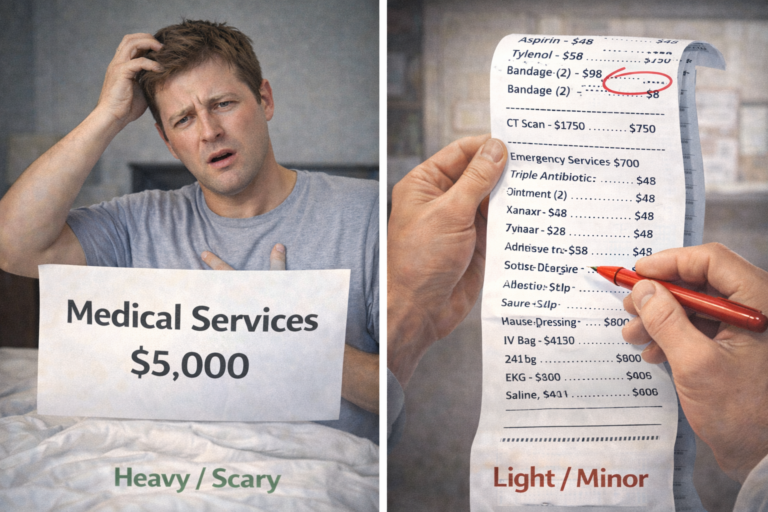
This isn’t merely inconvenient; it’s economically inefficient. When you enter a physical medical facility, you’re subsidizing the real estate lease, HVAC infrastructure, and administrative overhead—frequently obscured as “Facility Fees.” (Essentially, a surcharge for physical presence.)
In 2026, the strategic patient recognizes that for non-emergency presentations—urinary tract infections, upper respiratory infections, dermatological consultations, or mental health maintenance—telehealth is no longer an alternative modality; it’s the optimal primary interface. This represents medical arbitrage: achieving equivalent clinical outcomes without the institutional markup.
The 2026 Selection Framework: Platform Differentiation
The market exhibits platform saturation. As a navigator, I advise against defaulting to the most advertised application. Instead, apply these strategic filters to ensure you’re capturing value, not novelty.
As of February 2026, following updated DEA regulations on telemedicine prescribing and REAL ID integration with healthcare platforms, telehealth providers now require enhanced identity verification for controlled substance prescriptions—though most platforms still cannot prescribe Schedule II medications remotely.
1. Demand Transparent Cash Pricing (The $75 Ceiling)
The primary advantage of telehealth is circumventing complex insurance reimbursement bureaucracy. Prioritize platforms designed for self-pay architecture.
A legitimate 2026 platform will display flat, transparent pricing pre-registration—typically $59-$79 for standard consultations. If an application requires insurance data submission merely to view pricing, uninstall it. They’re operating on legacy opacity models.
2. Prioritize Asynchronous Capability (Efficiency over Synchronicity)
Do you genuinely require synchronous video communication to obtain a non-controlled prescription refill or diagnose a photographable dermatological condition? Frequently, no.
The most efficient platforms now offer “asynchronous” consultations (text-based or structured questionnaire format). You submit clinical data, a licensed provider reviews within 2 hours, and prescription orders transmit electronically. These modalities typically cost 30-40% less than video consultations while delivering superior turnaround velocity.
3. Verify Prescription Fulfillment Integration
The consultation represents only 50% of the transaction; pharmaceutical fulfillment constitutes the remainder. The strategic approach is ensuring platform integration with cost-plus online pharmacies (such as Mark Cuban Cost Plus Drug Company or Amazon Pharmacy) rather than defaulting to high-margin retail chains.
The objective is a closed-loop system where diagnosis costs are minimized and medication dispensing occurs at marginal cost.
If navigating multiple telehealth platforms and comparing pricing structures feels overwhelming, consider using telehealth comparison tools that aggregate pricing and service features. (I’ll be evaluating the top 3 Telehealth Platform Comparison Tools for 2026 in my next analysis.)
The system wants you in their building because buildings are expensive. Your goal is the cure, not subsidizing their real estate. — Alex
⚠️ Operational Disclaimer
This analysis is provided for strategic educational purposes only. I function as a healthcare system navigator—not a licensed physician. Telehealth represents an appropriate modality for numerous minor, non-emergency conditions but does not substitute for in-person emergency medical care.
If you are experiencing chest pain, dyspnea, severe hemorrhage, or any potential medical emergency, contact emergency services (911) immediately. Platform features and pricing referenced are based on February 2026 market conditions and remain subject to change. Always verify provider licensure and platform HIPAA compliance before transmitting protected health information.